How Minimalism and User-Centered Design Elevate UX?
Exploring the Synergy of Minimalism and User-Centered Design


Minimalism emphasizes simplicity, while user-centered design focuses on creating experiences tailored to users' needs. When these two concepts converge, they can lead to exceptional user experiences characterized by simplicity, elegance, and enhanced usability. This article delves into the symbiotic relationship between minimalism and user-centered design, highlighting their benefits and providing real-life examples.
Less is more
I hope you guys heard of this phrase “Less is more”. What is it mean in User Experience?
It means removing unnecessary clutter, reducing visual noise, and stripping away excessive elements that can overwhelm users. By simplifying the user interface, designers can create a clean and intuitive experience that allows users to focus on essential tasks.
Perfect Example for “Less is more” is Trello's Task Management
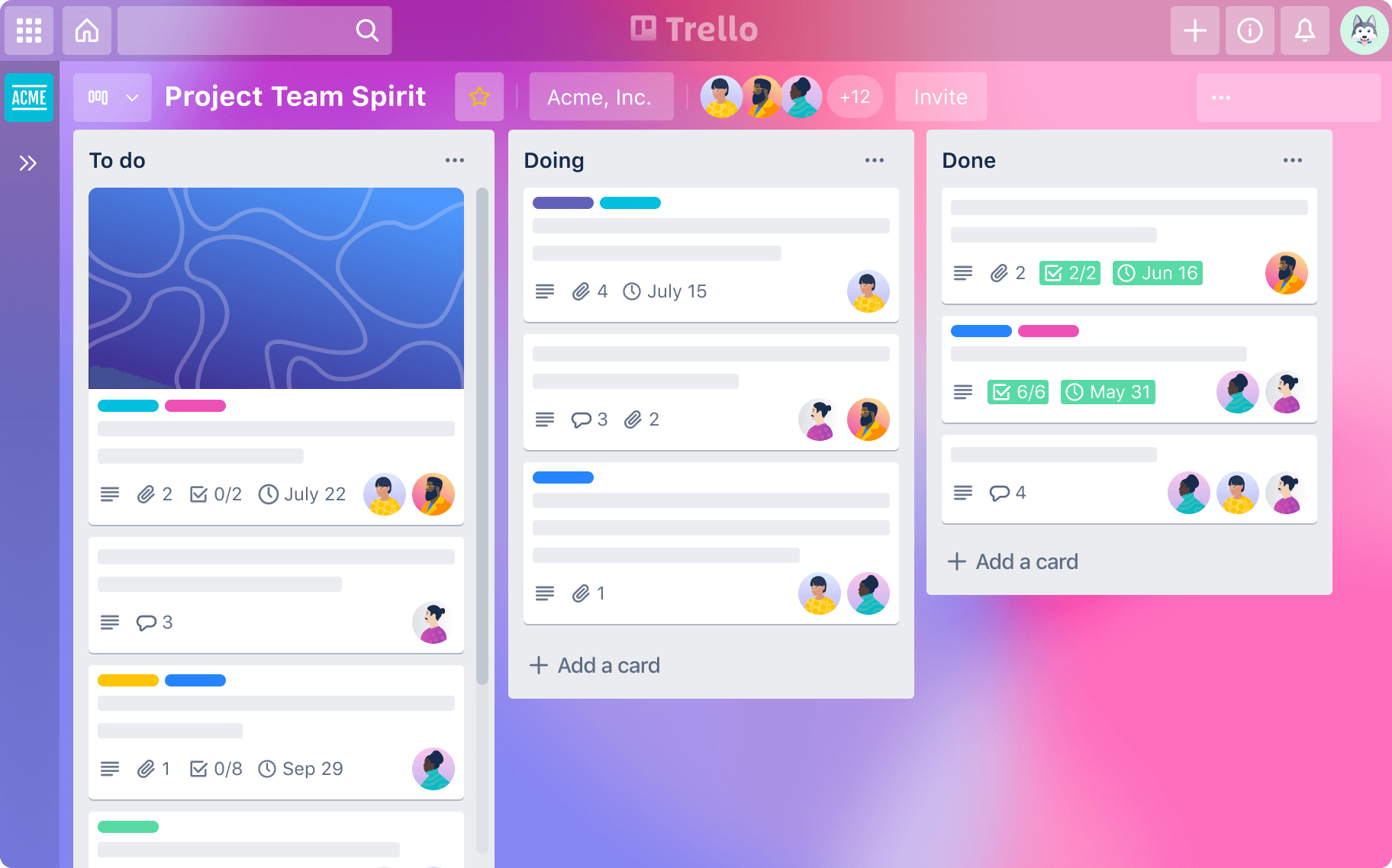
The market is filled with numerous task management tools, but Trello stands out as one of the top choices for effectively managing and tracking your team's tasks. With Trello, you gain a powerful platform that allows you to easily oversee and monitor the progress of your team's assignments. It embodies minimalism and user-centered design in its task management interface. The platform's clean and organized layout enables users to create boards, lists, and cards to manage projects and tasks effectively. The minimalist design eliminates visual clutter, providing a clear overview of tasks and progress. Users can easily collaborate, assign tasks, and track project milestones
Putting User First
Achieving minimalism is important, but it's equally crucial to prioritize the user. Often, when focusing on minimalistic design, designers can overlook the user's needs. As UX designers, our primary goal is to create digital products that solve users' problems. Therefore, we must always advocate for the users and design products that cater to their desires and requirements while embodying minimalistic principles. By putting the user first, we ensure that our design decisions align with their expectations and deliver a meaningful and user-centric experience.
User-centered design places the needs, goals, and preferences of users at the forefront of the design process. It involves conducting user research, gathering insights, and iteratively designing and testing solutions to ensure they meet users expectations and fulfill their requirements.
Example: Substack’s Writing and Reading Experience.
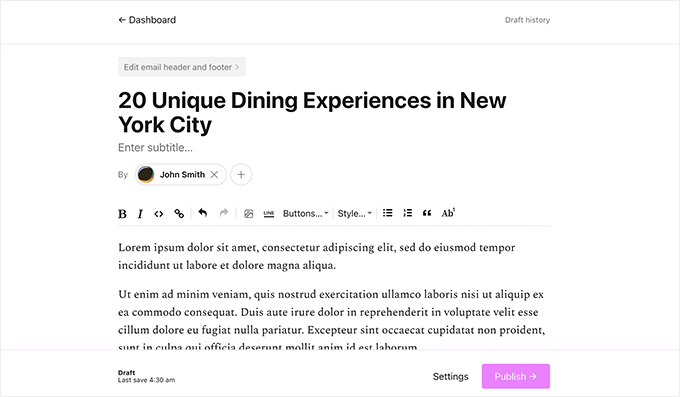
The minimalist interface showcases content at the forefront, with ample white space and simple typography. The clean layout enhances readability and reduces visual clutter, allowing users to focus on the articles they're reading. Substack's user-centered design approach ensures a seamless reading experience across devices, making it a preferred platform for avid readers and writers alike.